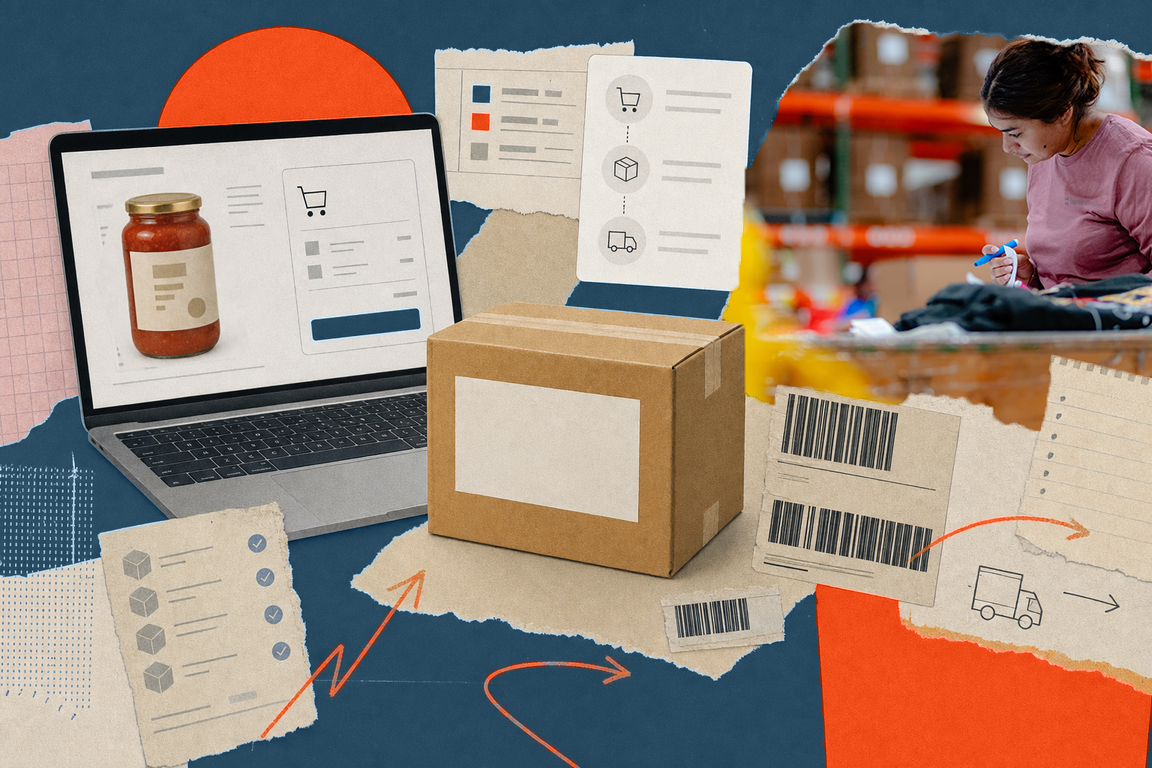
A Shopify storefront can generate the order, but a successful ecommerce program depends on what happens next. Orders need to be processed, inventory accurately managed, products packed correctly, and customers kept informed with timely tracking and shipment updates.
Stephen Gould supports the operational workflow behind a customer’s existing Shopify storefront. By connecting Shopify with our order-processing and fulfillment systems, we help create coordinated flow from online purchase through fulfillment and delivery.
Connecting the Storefront to Fulfillment
In an integrated workflow, Shopify orders flow into our system for processing. Once shipped, tracking and shipment-status information can sync back to Shopify, providing visibility into order status.
Inventory can also be managed in connection with the storefront, so available quantities align with what customers can purchase. When inventory is exhausted, the ecommerce site can stop accepting orders and products. This approach is particularly valuable for growing brands that have outgrown manual order entry, shipping-label workarounds, or in-house packing. Instead of treating the storefront and fulfillment operation as separate functions, the workflow connects them.
Fulfillment Requires More Than an Integration
Software connectivity is one part of the equation. The fulfillment operation behind it still needs to perform, too.
Stephen Gould can support the broader ecommerce fulfillment workflow, including:
- protective packaging for parcel shipments
- kitting and assembly
- pick and pack fulfillment
- shipping coordination
- inventory management
- order processing and tracking updates
- logistics support for larger distribution needs
This approach gives customers a path to grow beyond direct-to-consumer ecommerce. As demand expands, programs scale to support retail, grocery, and pallet-based distribution requirements in addition to individual parcel shipments.
Shipping setup is another important consideration. While Shopify can remain the customer-facing storefront, a third-party fulfillment program may need to use a separate shipping account to maintain an automated fulfillment workflow. Stephen Gould has access to a UPS Ground Saver program that can provide competitive rates compared with Shopify shipping options, while supporting the shipping process managed through our fulfillment operation.
Plan the Workflow Before Launch
A Shopify integration isn’t a switch that can be turned on overnight. Building the program requires coordination across the Shopify storefront, order-processing workflow, shipping accounts, carrier rates, inventory, and fulfillment procedures.
Implementation can typically take approximately three to four weeks, depending on program requirements. This planning ensures orders flow correctly into fulfillment, inventory remains accurate, shipping is properly configured, and tracking information returns to the customer-facing platform.
For ecommerce brands, the storefront is the beginning of the customer experience—not the end of the operational process. By connecting checkout with what happens behind the scenes, Stephen Gould can help build an ecommerce fulfillment workflow designed to support growth.