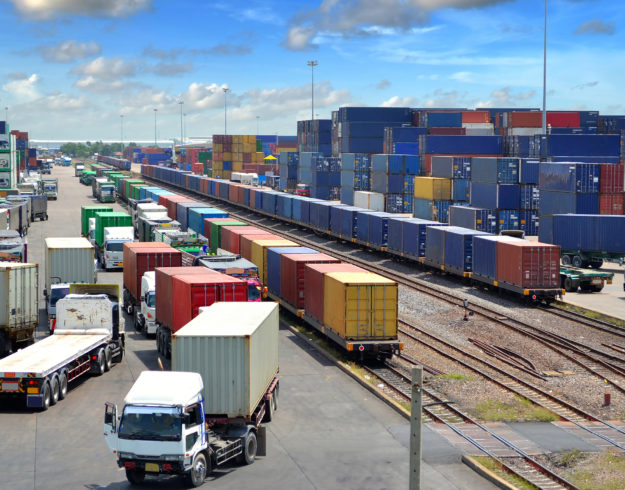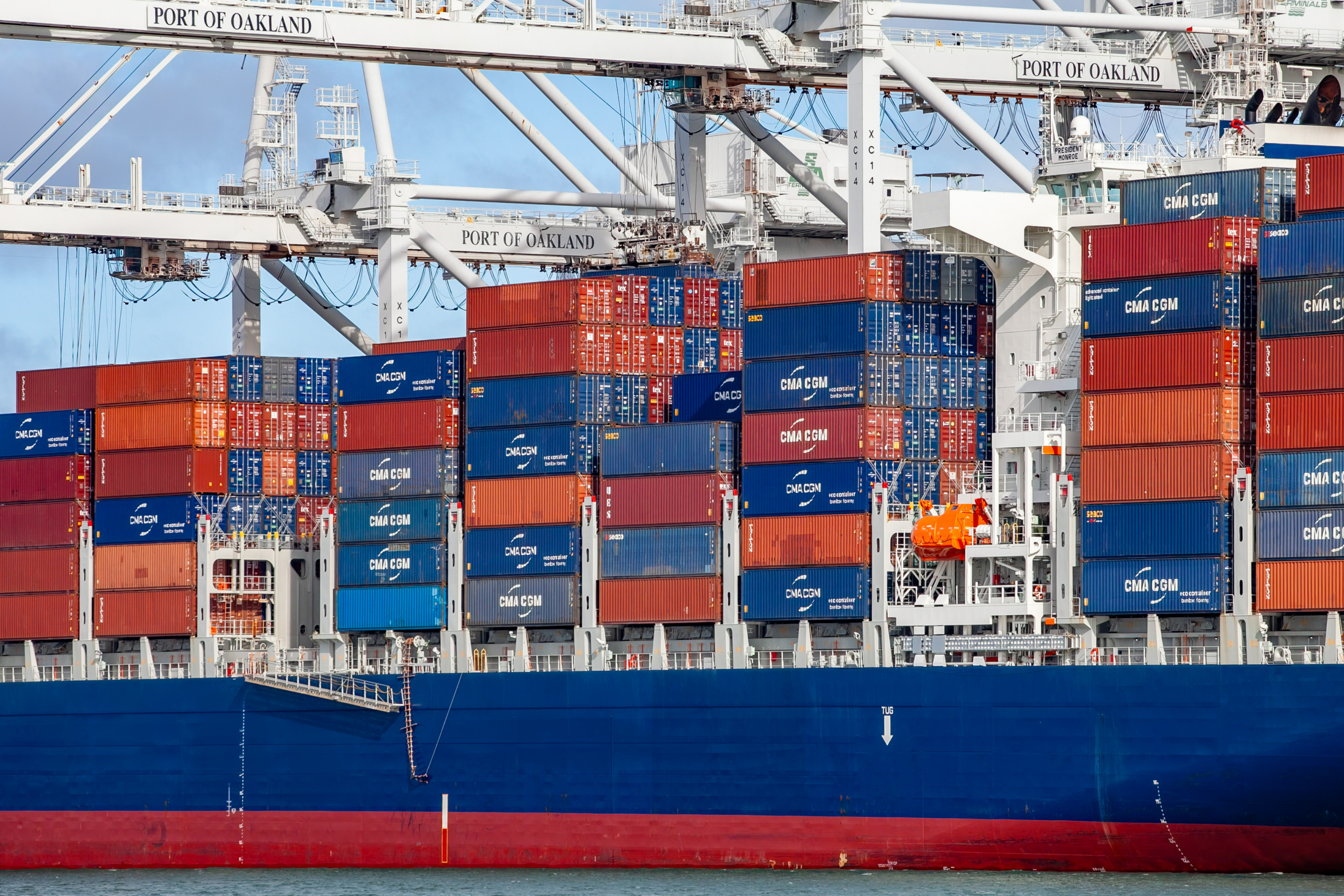
If the past several years have taught supply chain leaders anything, it’s that disruption is no longer the exception, it’s the expectation. Recent discussions amongst logistics providers, carriers, customs experts and global manufacturers highlighted a market shaped by geopolitical uncertainty, evolving trade policies, rising compliance requirements and ongoing transportation constraints. While the specific challenges continue to change, one message was clear: supply chain resilience remains a competitive advantage.
Geopolitical Events Continue to Impact Transportation Costs
Global events are once again influencing freight markets. Recent tensions in the Middle East have increased fuel and insurance costs, leading carriers to introduce surcharges that are ultimately passed on to shippers. Industry experts noted that these costs often remain in place long after the triggering event has subsided, making transportation budgeting increasingly difficult.
Combined with rising interest rates and lingering lessons from the COVID-era supply chain disruptions, many companies continue to build inventory as a hedge against future uncertainty.
Trade Policy Is Driving Strategic Supply Chain Decisions
Potential new U.S. tariffs and ongoing trade policy changes are already influencing sourcing and inventory decisions across industries. Companies are accelerating orders, increasing inventory levels and reevaluating supplier networks in anticipation of future regulatory changes.
At the same time, reshoring and nearshoring efforts continue to gain momentum. Manufacturers are increasingly seeking ways to reduce risk by diversifying supply chains and moving production closer to end markets where feasible. Industry leaders broadly agreed that these trends extend beyond any single administration and are likely to remain a long-term factor in global trade.
Compliance Is Becoming More Technology Driven
Artificial intelligence is playing an increasingly important role in customs enforcement and trade compliance.
Advanced systems are now capable of identifying pricing inconsistencies, supplier anomalies and potential reporting issues across large volumes of import data. As a result, customs inquiries are increasing, and organizations face growing pressure to maintain accurate documentation and consistent reporting practices throughout their supply chains.
For importers, compliance is no longer just an administrative requirement, it has become a strategic business function.
Capacity Challenges Remain Across Transportation Networks
While ocean freight rates may be approaching a peak, transportation capacity concerns persist.
Trucking capacity continues to tighten as rising insurance costs, liability exposure and labor availability reduce the number of available truckers . Industry experts also pointed to labor negotiations at West Coast ports as a potential future risk that could impact costs and service levels in the years ahead.
Cargo security remains another growing concern, particularly in rail transportation, where organized theft activity has become increasingly sophisticated.
Building Resilience in an Unpredictable Market
One of the most notable themes from the conference was the ongoing debate around risk management strategies. Some organizations favor diversifying ports, transportation providers and sourcing locations to reduce disruption exposure, while others question whether the additional costs justify the protection.
There may not be a single correct answer. However, the discussion reinforced a broader reality facing supply chain leaders today: flexibility, visibility and adaptability are becoming just as important as cost efficiency.
As global supply chains continue to evolve, organizations that proactively monitor geopolitical developments, invest in compliance readiness and build resilient transportation strategies will be better positioned to navigate whatever comes next.
As supply chains become increasingly complex, organizations need partners that can provide more than packaging alone. Stephen Gould combines global sourcing, supplier management, inventory programs, logistics coordination and packaging engineering to help customers adapt to changing market conditions. From mitigating tariff impacts and supporting reshoring initiatives to strengthening compliance and improving supply chain visibility, we work alongside our customers to identify opportunities, reduce risk and build greater resilience for the future.